Our paper MUX was accepted to NeurIPS 2026 as a Spotlight!
Alperen
Gozeten
Third-year PhD student in EECS · University of Michigan
I’m a PhD student at the University of Michigan, advised by Prof. Samet Oymak in the SOTA Lab. Before joining Michigan, I received my B.S. in Computer Science from Bilkent University in 2024. My work connects the theory of machine learning with practical methods for continuous reasoning, reinforcement learning, and test-time adaptation.
01
News
I started my PhD software engineering internship on the Simulation team at Waymo.
Our work on LLM-guided program discovery was accepted to the AI for Math and DL4C workshops at ICML.
Our paper Learning to Correct was accepted to ICML 2026!
Our CoT2 paper was accepted to ICLR 2026!
Our paper Filter, Augment, Forecast was accepted to AISTATS 2026!
Earlier updates
I helped teach EECS 498/598: Foundations of Large Language Models at Michigan as a Graduate Student Instructor.
Our test-time training paper was accepted to ICML 2025!
Our weak-to-strong generalization paper was accepted to ICLR 2025! It was later selected as a Spotlight.
I started my PhD in EECS at the University of Michigan, where I’m advised by Samet Oymak.
I graduated from Bilkent University as Computer Science valedictorian.
Our paper on minimax clustering was accepted to COLT! This work grew out of my research internship at EPFL.
02
Google Scholar Publications
7 conference papers · 1 workshop paper ∗ Equal contribution † Equal advising
2026
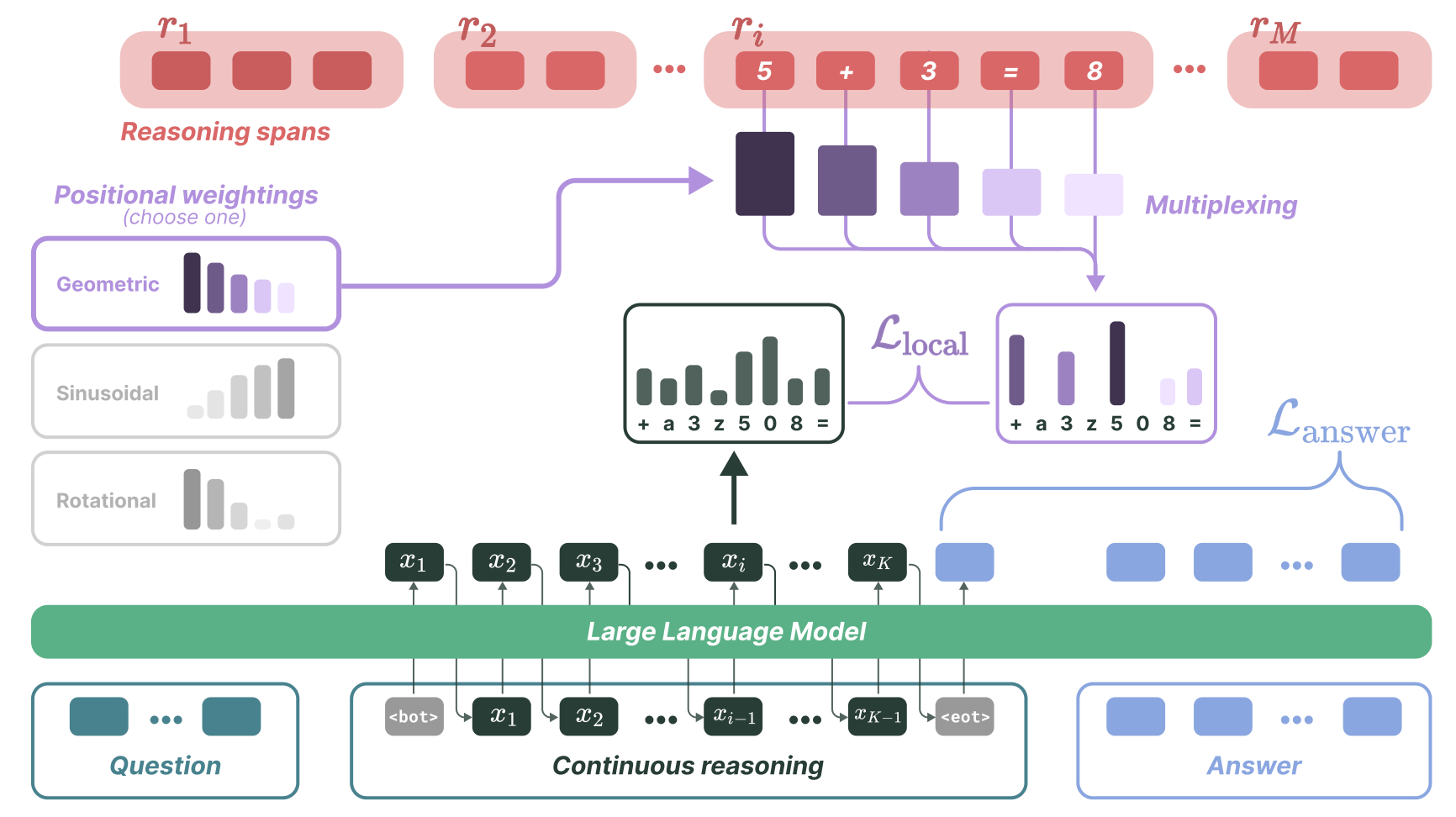
MUX: Continuous Reasoning via Multiplexed Tokens
Compressing reasoning spans into continuous tokens for more efficient language-model reasoning.
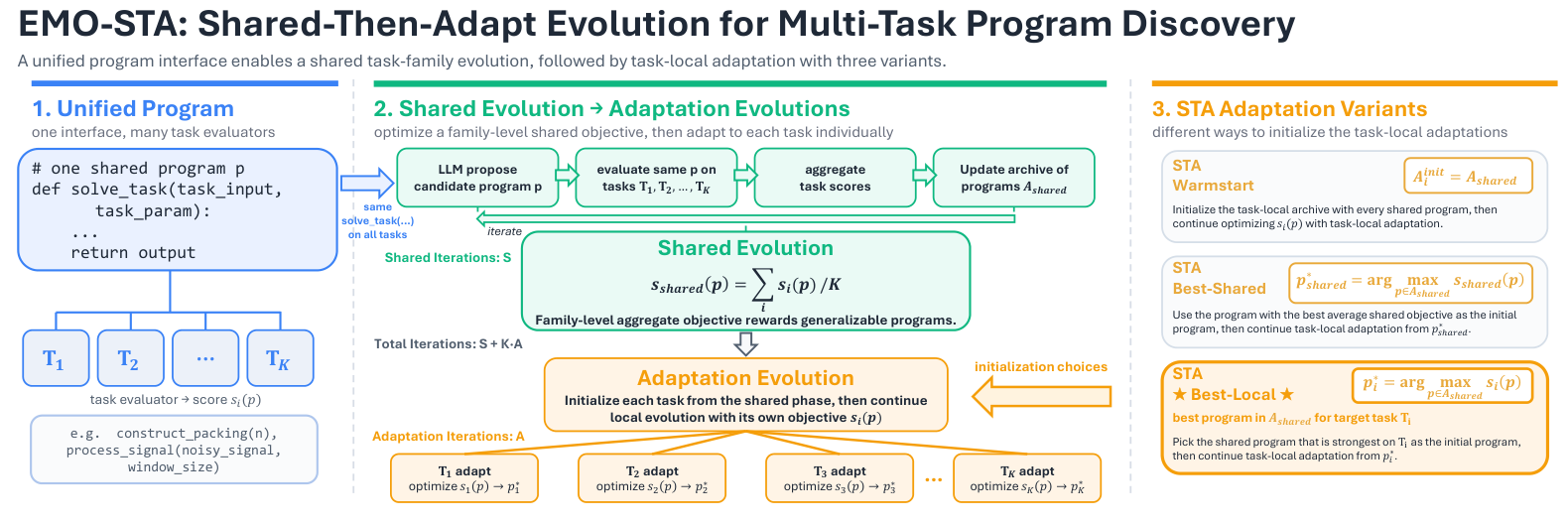
Evolutionary Multi-Task Optimization for LLM-Guided Program Discovery
Sharing evolutionary search across related tasks, then adapting programs to each task.
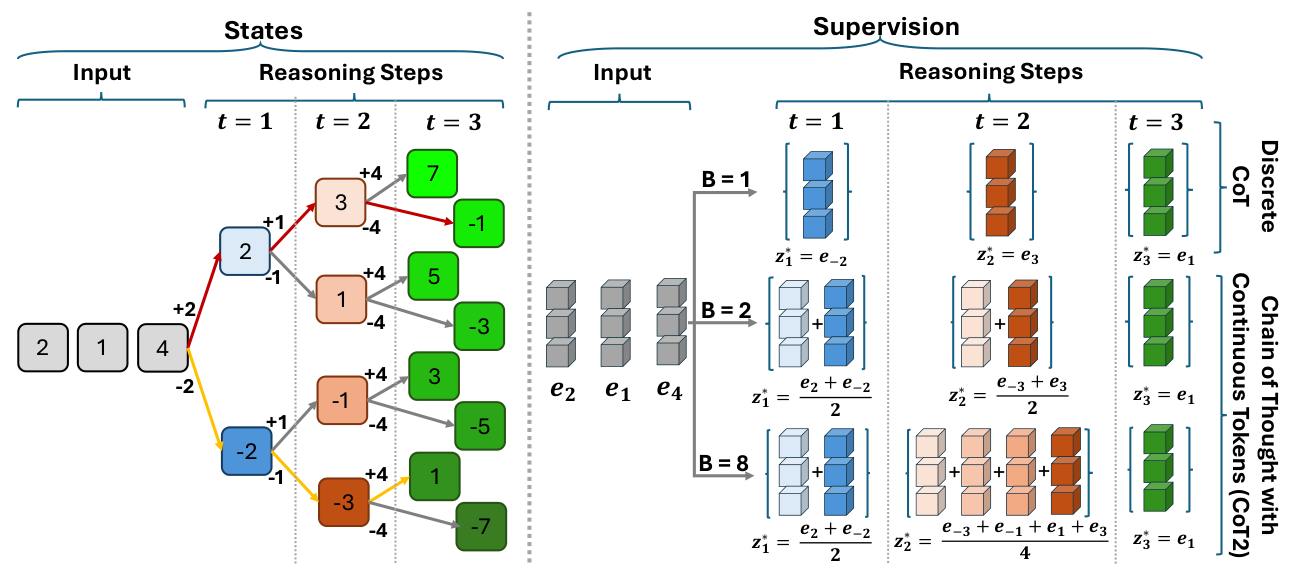
Continuous Chain of Thought Enables Parallel Exploration and Reasoning
Exploring multiple reasoning paths in parallel through continuous, rather than discrete, tokens.
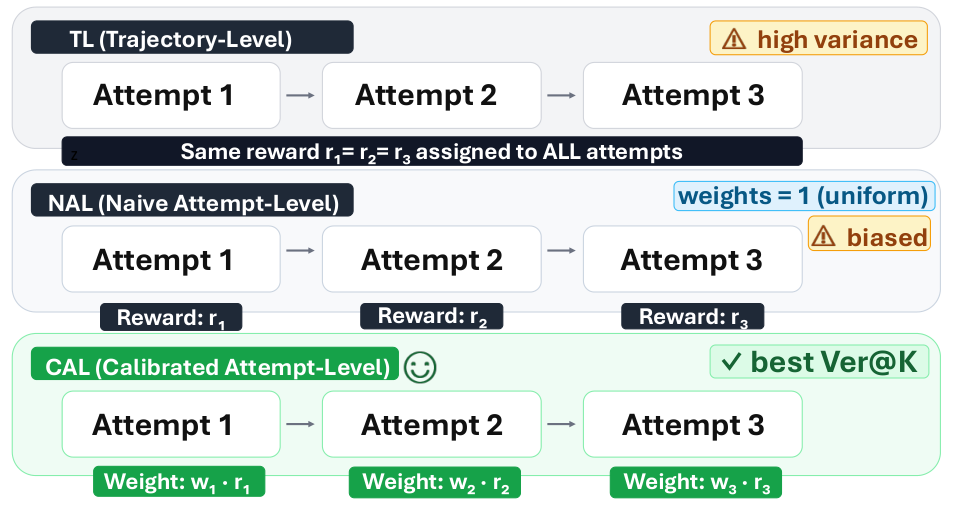
Learning to Correct: Calibrated Reinforcement Learning for Multi-Attempt Chain-of-Thought
Calibrated policy-gradient objectives that help language models learn from repeated reasoning attempts.
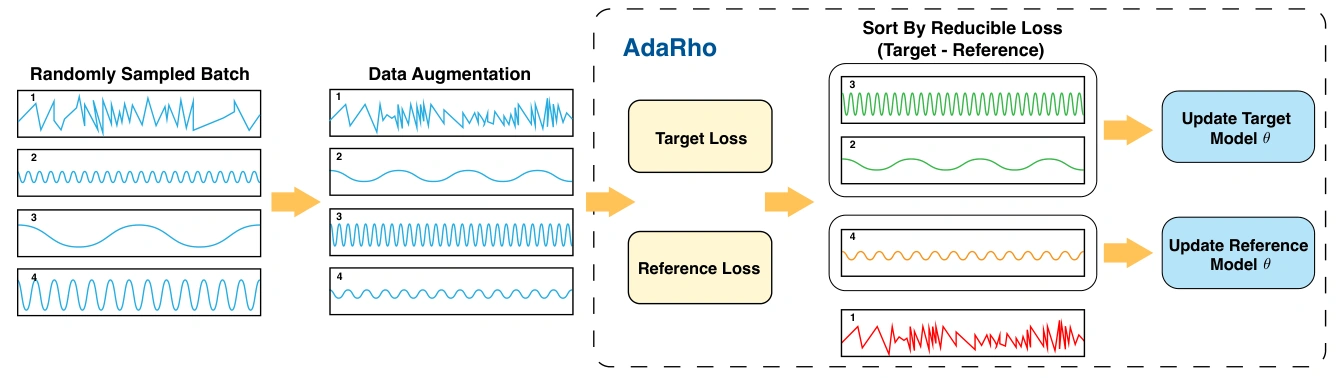
Filter, Augment, Forecast: Online Data Selection for Robust Time Series Forecasting
Selecting and augmenting training data online to improve robust time-series forecasting.
2025
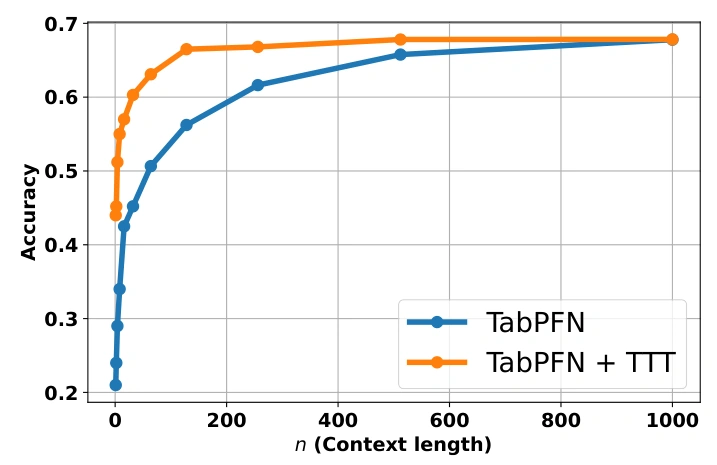
Test-Time Training Provably Improves Transformers as In-context Learners
Theory and experiments showing how test-time training makes transformers more effective in-context learners.
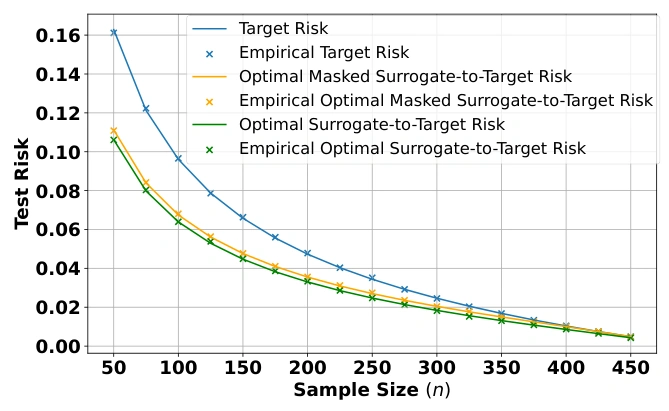
High-dimensional Analysis of Knowledge Distillation: Weak-to-Strong Generalization and Scaling Laws
Characterizing when a student can outperform its teacher, and how distillation scales with data.
2024
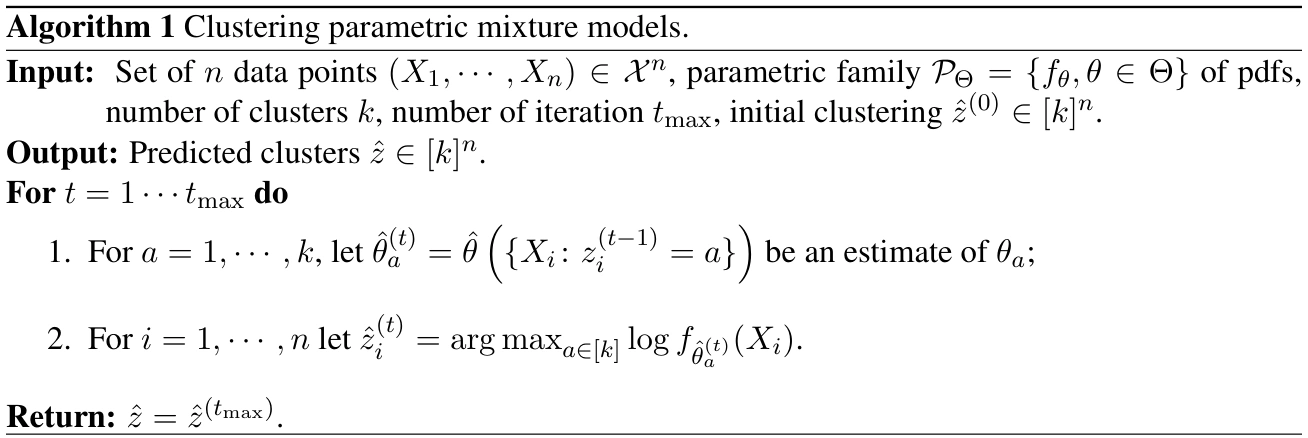
Universal Lower Bounds and Optimal Rates: Achieving Minimax Clustering Error in Sub-Exponential Mixture Models
Fundamental lower bounds and an optimal iterative algorithm for clustering sub-exponential mixture models.